
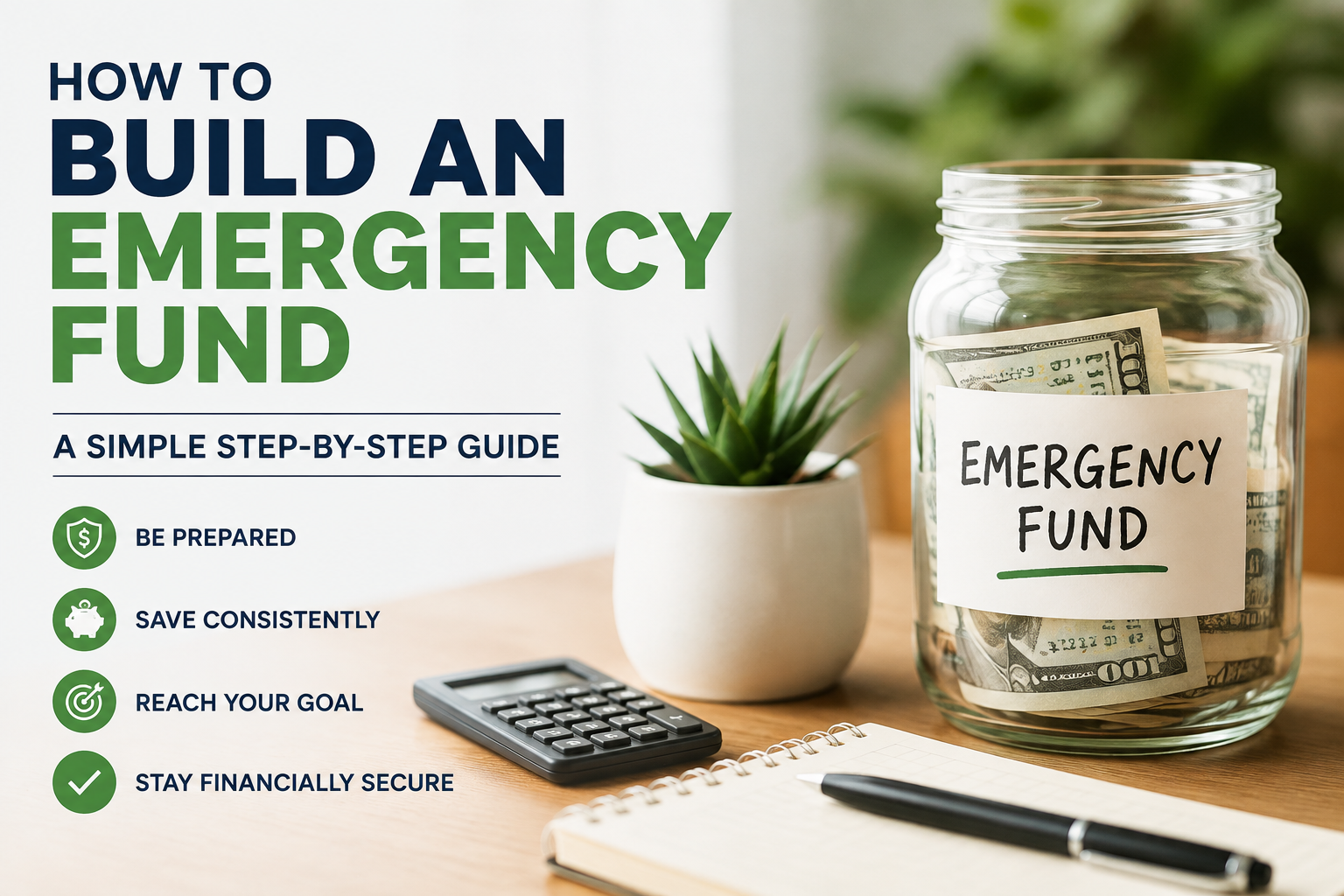
Life has a funny way of throwing unexpected expenses at us. One month everything looks fine, and the next month you might be dealing with a car repair, medical bill, home repair, or even a sudden change in income.
That’s exactly why having an emergency fund can make such a difference.
An emergency fund isn’t about becoming rich overnight. It’s simply money you set aside so that an unexpected expense doesn’t immediately turn into debt or force you to dip into your long-term savings.
What Is an Emergency Fund?
An emergency fund is money kept specifically for unexpected and necessary expenses.
Think of it as a financial cushion between you and life's surprises.
It can help cover things such as:
- Unexpected medical expenses
- Car or home repairs
- Temporary loss of income
- Emergency travel
- Essential household expenses
The important part is keeping this money separate from your everyday spending account. If it's too easy to access for shopping, dining out, or impulse purchases, it can disappear before a real emergency comes along.
How Much Should You Save?
There isn't one perfect number for everyone.
A common goal is to eventually have around three to six months of essential living expenses saved. However, that doesn't mean you need to reach that amount immediately.
If you're starting from zero, make your first target smaller.
For example, saving $500 or $1,000 can already provide some breathing room. Once you reach that milestone, you can gradually work toward a larger safety net.
Your ideal amount depends on your income, monthly expenses, job stability, family responsibilities, and other financial commitments.
Start With Your Budget
Before deciding how much to save, understand where your money is actually going.
Review your regular expenses and separate them into essentials and non-essentials.
Rent or mortgage, utilities, groceries, insurance, transportation, and debt payments are generally more important when calculating your emergency-fund target.
This is where a realistic budget becomes useful. You don't need a complicated spreadsheet. Even tracking your spending for one month can reveal areas where you may be able to save.
Make Saving Automatic
One of the easiest ways to build savings is to stop relying on willpower.
Set up an automatic transfer from your checking account to a dedicated savings account each payday.
Even a relatively small amount can add up.
Saving $50 a week, for example, puts you on track to save about $2,600 over a year, before considering any interest earned.
The goal isn't to make the biggest deposit possible. The goal is to create a habit you can actually maintain.
Look for Small Ways to Save
You don't necessarily need to completely change your lifestyle to build an emergency fund.
Look for expenses that can be reduced without making your daily life miserable.
You might:
- Cancel subscriptions you rarely use
- Cook at home a little more often
- Compare insurance or service costs
- Reduce unnecessary online purchases
- Put bonuses or unexpected income toward savings
- Use cashback or discounts when they genuinely reduce your spending
Small changes are easier to maintain than extreme budgeting rules.
If you're looking for more practical money saving tips, focus on changes that can become part of your normal routine.
Where Should You Keep Your Emergency Fund?
Your emergency money should generally be somewhere safe and relatively easy to access.
For many people, a separate savings account can work well because the money remains accessible without sitting in their everyday spending account.
The emergency fund isn't normally the place to chase high investment returns. Its primary job is to be available when you actually need it.
Don't Wait Until You Can Save a Lot
One of the biggest mistakes people make is thinking they need a large amount of money before starting.
You don't.
If you can only save $20 or $25 this week, start there.
The first goal is building the habit. As your income increases or your expenses decrease, you can increase the amount you put away.
Over time, those small contributions can turn into a meaningful financial safety net.
What If You Have Debt?
This is where personal circumstances matter.
If you have high-interest debt, you may want to balance emergency savings with paying down that debt. At the same time, having absolutely no cash reserve can leave you vulnerable to taking on even more debt when something unexpected happens.
A small starter emergency fund can therefore be useful while you work on your broader debt-repayment strategy.
The Bottom Line
Building an emergency fund doesn't have to happen overnight.
Start with an amount that feels realistic, automate your savings, keep the money separate from everyday spending, and gradually increase your target.
The real benefit isn't just the money sitting in the account. It's the peace of mind that comes from knowing an unexpected expense doesn't automatically have to become a financial crisis.
Good financial planning is often less about making perfect decisions and more about consistently making sensible ones.